Evaporative Air Cooler: Solution for Cooling

Evaporative Air Cooler: Solution for Cooling

In the realm of climate control and cooling systems, the evaporative air cooler stands as a pioneering innovation, offering an eco-friendly and cost-effective alternative to traditional air conditioning units. This advanced cooling apparatus operates on a principle deeply rooted in nature’s own mechanisms, harnessing the power of evaporation to produce a cooling effect.

Evaporative air coolers, also referred to as swamp coolers or desert coolers, function by drawing in warm air and passing it through moistened pads. These pads contain water, which facilitates the evaporation process. As the air comes into contact with these damp pads, heat is absorbed, and the air temperature decreases significantly, resulting in a refreshing and cooler airflow.

One of the most remarkable advantages of an evaporative air cooler lies in its energy efficiency. Unlike conventional air conditioners that rely on refrigerants and compressors, these coolers utilize a simple yet effective mechanism that consumes notably less electricity. By relying on the natural process of evaporation, they minimize energy consumption, making them an environmentally conscious choice.

Moreover, the operational cost of an evaporative air cooler remains substantially lower than that of traditional air conditioning systems. The reduction in electricity usage translates to cost savings for homeowners and businesses alike, making it an appealing option for those seeking economical cooling solutions.

The design of an evaporative air cooler is structured to be environmentally friendly, emitting fewer greenhouse gases compared to standard air conditioning units. With no ozone-damaging refrigerants or chemical emissions, these cooling systems align with sustainability goals, promoting a cleaner and greener environment.

One notable feature contributing to the effectiveness of evaporative air coolers is their ability to increase humidity levels in dry climates. Unlike air conditioners, which can often exacerbate dryness, these coolers add moisture to the air, providing relief in arid regions while maintaining a Read the rest

Evaporative Air Conditioner: A Paradigm Shift in Cooling Technology

Evaporative Air Conditioner: A Paradigm Shift in Cooling Technology

In the ever-evolving landscape of cooling solutions, the Evaporative Air Conditioner emerges as a harbinger of innovation, revolutionizing the way we combat the heat. This cutting-edge device, often referred to as a swamp cooler, introduces a breath of fresh air into the realm of climate control.

The Essence of Evaporation

At the core of the Evaporative Air Conditioner lies the artistry of evaporation. Unlike traditional air conditioners that rely on refrigerants and compressors, this avant-garde cooling apparatus harnesses the natural power of water evaporation to create a cooler indoor environment.

The process begins with water drawn from a reservoir, a pivotal component that fuels the entire cooling mechanism. This water is then channeled over specialized cooling pads, typically crafted from cellulose material. These pads act as the canvas upon which the transformative dance of evaporation unfolds.

As warm air from the surroundings is drawn through the moistened cooling pads, it undergoes a metamorphosis. The Evaporative Air Conditioner efficiently extracts the latent heat from the air, resulting in a refreshingly cool output that permeates the living space. It’s a symphony of science and engineering working together seamlessly.

Navigating the Components

To truly grasp the brilliance of the Evaporative Air Conditioner, let’s dissect its key components. The water reservoir, a reservoir of cool potential, ensures a continuous supply of water for the evaporation process. The size and design of this reservoir play a crucial role in determining the efficiency and duration of cooling.

The cooling pads, often overlooked but integral to the process, are crafted from advanced cellulose material. These pads boast exceptional absorbent qualities, maximizing water retention and promoting optimal evaporation. The intricate channels within the pads guide the air through a labyrinthine journey, ensuring every breath is touched by the cooling magic.

Eco-Friendly Elegance

One of the defining features of Read the rest

Why Every Wine Lover Should Consider Having a Wine Cellar?

Why Every Wine Lover Should Consider Having a Wine Cellar?

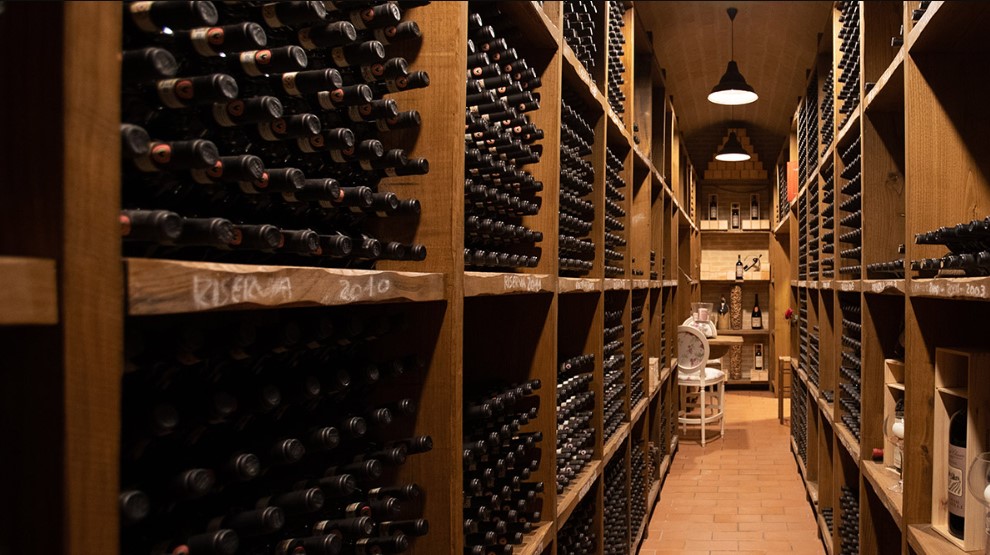
As a wine lover, you are probably familiar with the importance of proper storage and aging conditions for your beloved bottles of wine. While it may be tempting to simply display your collection on a shelf or in a cabinet, investing in a wine cellar can greatly enhance your wine drinking experience.

One of the primary benefits of having a wine cellar is the ability to control the storage conditions. Wine is a delicate beverage that can be easily affected by factors such as temperature, humidity, light, and vibrations.

Additionally, a wine cellar adds elegance and organization to your collection, while also encouraging exploration and expansion. 

What not to ignore while storing wine?

A wine cellar provides a controlled environment where you can ensure that these factors are kept at optimal levels. This allows your wines to age gracefully and develop complex flavors and aromas over time.

  • Temperature is perhaps the most critical factor when it comes to wine storage. Fluctuations in temperature can cause the wine to expand and contract, which can lead to leakage and spoilage. A wine cellar allows you to maintain a consistent temperature, usually between 50 and 59 degrees Fahrenheit (10 and 15 degrees Celsius), which is ideal for most wines. This stable temperature ensures that your wines age slowly and evenly, preserving their quality and taste.
  • Humidity is another important factor to consider. Too much humidity can cause mold and label damage, while too little humidity can cause corks to dry out and allow air to enter the bottle, resulting in oxidation. A wine cellar provides the right level of humidity, usually between 50 and 70 percent, which keeps the corks moist and prevents any unwanted spoilage.
  • Light can also be detrimental to wine. UV rays can cause chemical reactions in the wine, leading
Read the rest

The Impact of Rain Gutter Design on Curb Appeal

The Impact of Rain Gutter Design on Curb Appeal

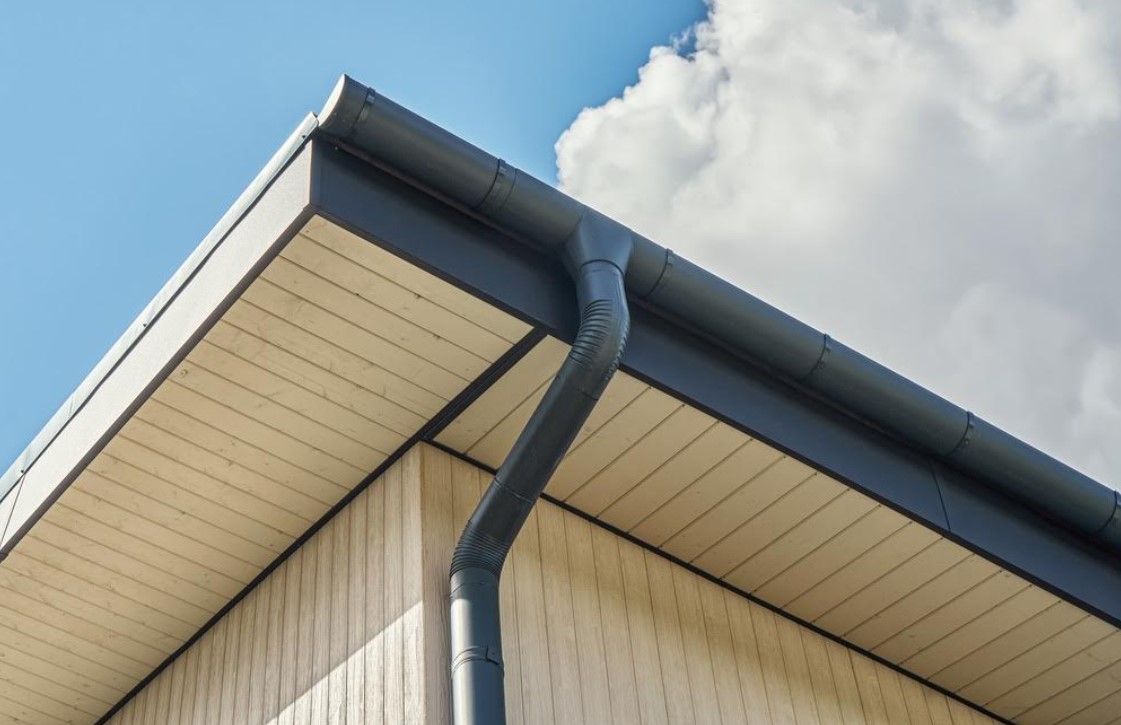
Have ever found yourself admiring the exterior of a beautiful home only to realize that it is not just the paint color or landscaping that catches your eye? There is another important, yet often overlooked, element that contributes to the overall curb appeal. What is it? Rain gutters. 

The Importance of Choosing the Right Rain Gutter Design

You might be surprised to learn that rain gutters serve more than just a practical purpose. While their primary function is to direct water away from the home’s foundation, they can also enhance its appearance. Choosing the right design means you can elevate your home’s curb appeal while ensuring it remains protected from potential water damage.

Popular Rain Gutter Styles and Materials

As you begin your search for the perfect rain gutter though, you will encounter a variety of styles and materials. The following are just some of the more popular choices:

  • Half-Round Gutters: These classic gutters with their semi-circular shape are a popular choice for historical homes and those with traditional architecture. They come in various materials that include copper, aluminum, and galvanized steel.
  • K-Style Gutters: Boasting a modern appearance, K-style gutters feature a flat back and a decorative front that resembles crown molding. You will find them in materials such as vinyl, aluminum, and steel.
  • Box Gutters: As the name suggests these gutters have a rectangular, box-like shape. They are often used on commercial buildings, but they can also add a sleek, contemporary look to residential properties. Box gutters are typically made from aluminum or steel.
  • Custom Gutters: If you are looking for a unique design that complements your home’s architectural style, then consider custom gutters. These can be crafted from various materials and tailored to fit your home’s specific requirements.

Color Selection and Coordination

Rain gutters Read the rest

Easy Steps Mold Removal Guide

Easy Steps Mold Removal Guide

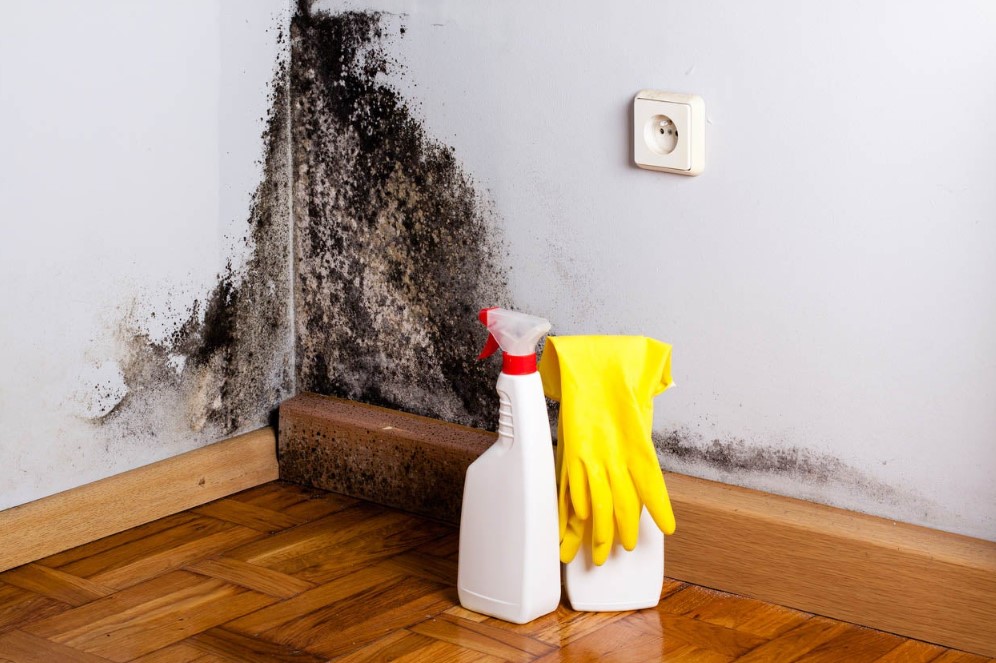
Mold is a common home problem that can exacerbate allergy-like symptoms, cause health problems, and damage building materials. If you notice a musty odor or discolored patches on your walls, treating the situation as soon as possible is essential.

While you can clean small areas yourself, larger infestations require professional help. Here’s a look at the easy steps to get your home mold-free and protect your health.

Clean the Area

If mold is not removed quickly, it can cause severe damage to a home or building. This can include structural damage, odors, and health problems for residents.

The first step in removing mold is to clean the area. This will keep new spores from spreading to other sites and causing a recurrence of the problem.

In addition to cleaning, a professional mold removal North Fort Worth should seal off the area so that new spores cannot escape into the air. They should also run air cleaners and scrubbers to remove any remaining spores.

A homeowner should not attempt to do any of this alone because it could result in further damage. Instead, they should call a mold removal North Fort Worth professional to handle the job because they have the expertise and equipment to deal with mold properly.

The cost to clean the mold will depend on its size, type, and labor needed. For example, large growths will be more expensive to remove than small ones.

Seal the Area

After the mold is cleaned, it’s essential to seal the area. This will prevent spores from re-infesting the home and keep it safe for people to be in.

Using a commercial cleaning product and detergent to remove the mold is best. It’s also important to dry the area thoroughly afterward.

If there are a lot of molds or the area is Read the rest